 +34 967 142 011


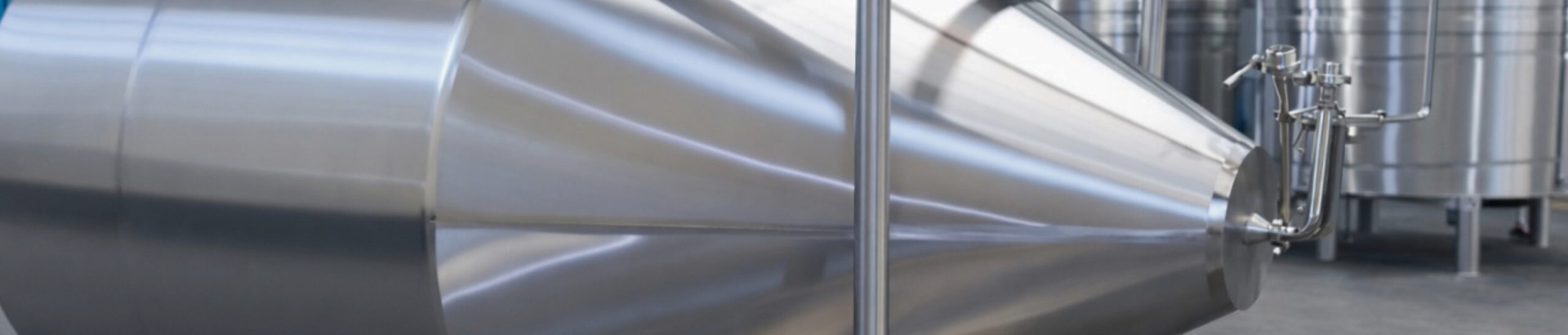




Ancillary equipment
From CIP systems, settling tanks or hoppers through to other ancillary process items, the difference lies in knowing how to choose the ancillary equipment best suited to your installation and building it effectively, so that it completes that installation and makes it fully functional, efficient and consistent with what the plant really needs.
Ancillary equipment, what completes an installation
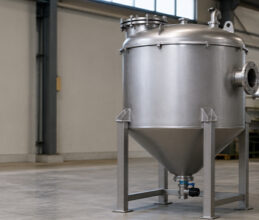
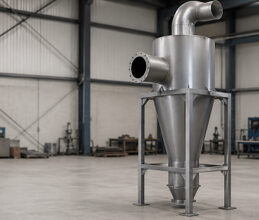
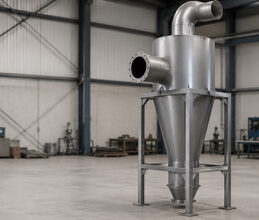
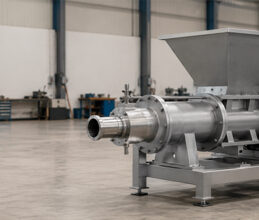
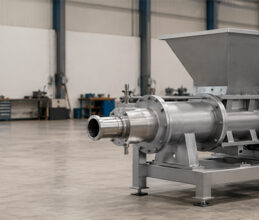
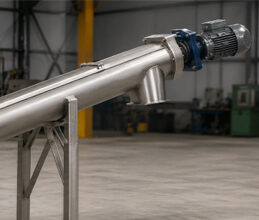
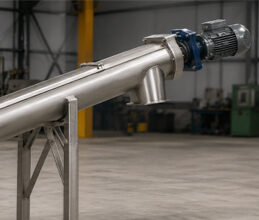
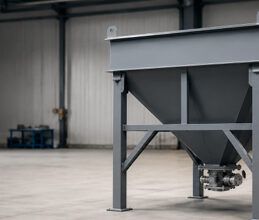
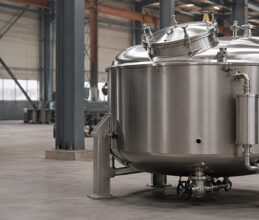
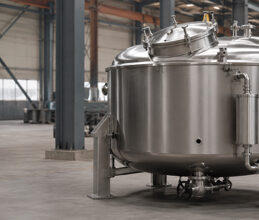
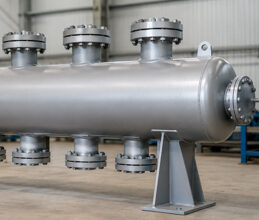
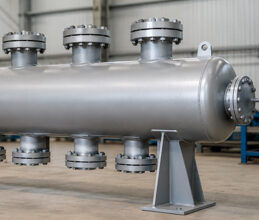
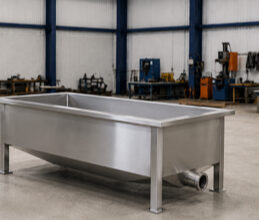
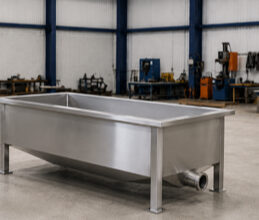
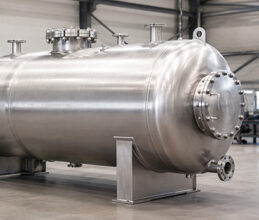
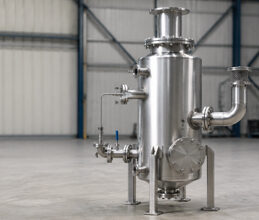
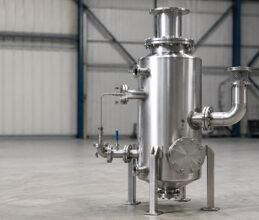
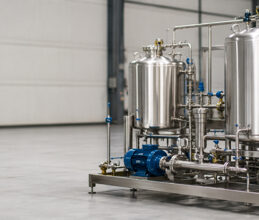
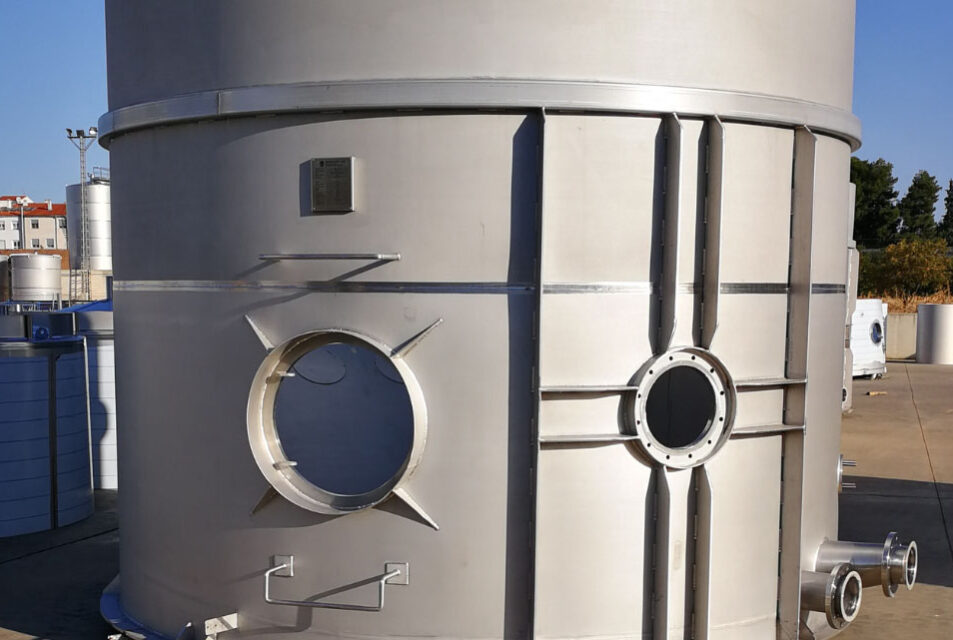
What defines our ancillary equipment
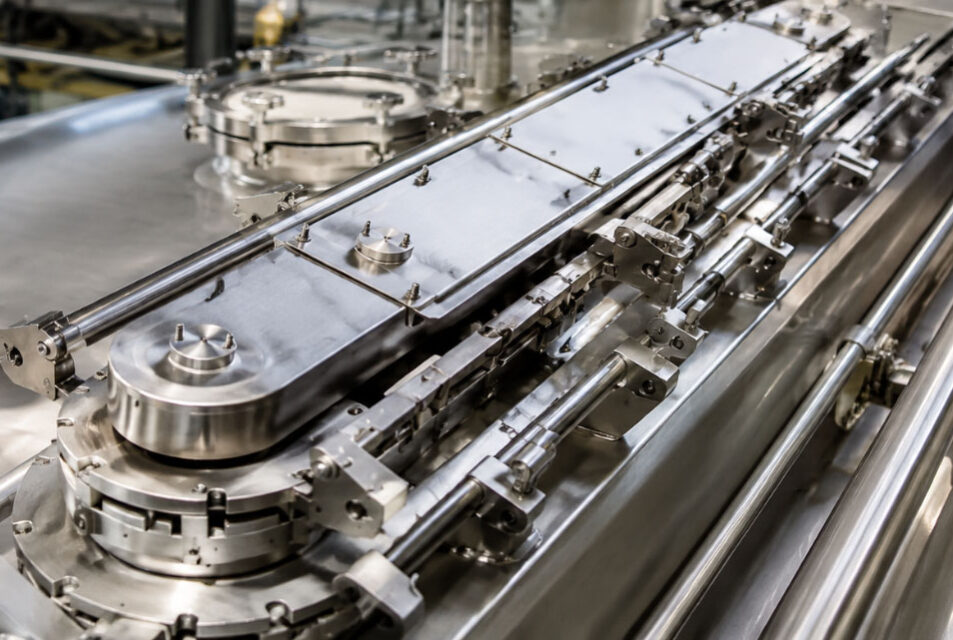
Intended to complete, connect or support the running of an installation, our ancillary equipment is defined by specialised manufacturing, focused on detail and on real integration with the main process. We build everything from simple items to custom ancillary assemblies, with the flexibility needed to adapt to each project, application or specific construction requirement.
CIP systems, settling tanks, cyclones, hoppers, screw conveyors, manifolds, vats, vents and pulp extractors give our clients resources fully matched to the job of cleaning, regulating, separating, conveying, dosing, collecting or completing their process, with greater functionality and order in the plant.
Where they are used
- In food plants, to support cleaning, discharge and product conveying.
- In wineries and breweries, for racking, settling and process regulation.
- In chemical plants, to contain, divert or discharge process fluids.
- In pharmaceuticals and cosmetics, for CIP cleaning and support for sensitive lines.
- In water treatment, for collecting, separating and channelling sludge or liquids.
- In biogas and waste recovery, for handling, discharging and conveying by-products.


Why choose us

We guide the client in defining the ancillary equipment that best fits their process, avoiding items that are unnecessary, incomplete or poorly integrated.

We develop ancillary items matched to the duty, the product and the real working conditions of each installation.

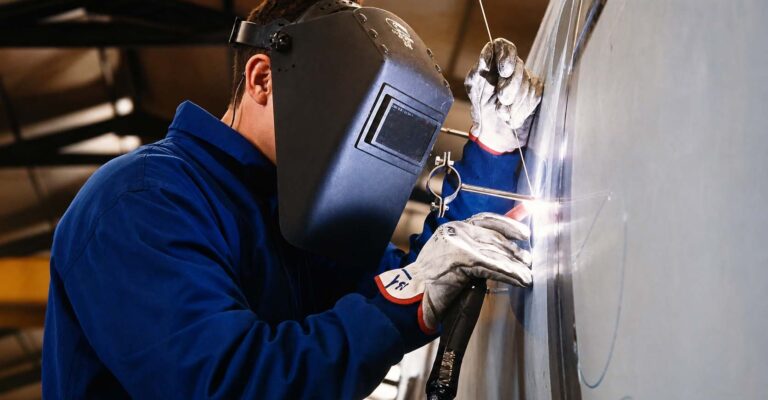
We treat every item of equipment as a perfect fit of joints and finishes. That, together with correct integration, is what makes a Eurocalder ancillary item.

We stay with the client from the definition of the ancillary equipment through to delivery, which makes it possible to define the item properly and adapt it if needed.


Would you like to know more about our ancillary equipment?
Find out how we define, build, transport and assemble ancillary equipment designed to complete, connect or improve the way your installation works





Frequently Asked Questions
We build buffer vessels, CIP systems, settling tanks, cyclones, hoppers, screw conveyors, manifolds, vats, vents, pulp extractors and other items that support the process. They are pieces of equipment that complete the installation and help to clean, regulate, separate, convey, dose or discharge product. The key is not just building them, but choosing the right ancillary item so that the whole plant works with more order, safety and continuity, without improvised parts.
Yes. Each item of ancillary equipment is defined by the product, the duty it has to perform, the space available, the existing connections and the real working conditions. We do not start from a generic part: we adjust geometry, materials, access, supports, finishes and assembly so that the equipment fits the installation. This adaptation avoids later improvisation and allows the ancillary item to answer exactly what the process needs and make the client’s daily work easier.
Our ancillary equipment is used in the food industry, wineries, breweries, chemicals, cosmetics, pharmaceuticals, paper, water treatment, biogas, energy and industrial recovery. In each case it performs a specific duty: supporting cleaning, regulating flows, separating solids, conveying product, collecting liquids, discharging gases or completing process lines. We match manufacturing to the environment, the use and the demands of each plant, not to a standard solution.
Yes. We can build ancillary equipment as part of a larger assembly or as standalone items to complete an existing installation. This makes integration easier, reduces later adjustments and lets us deliver solutions that sit better with the main equipment.
Yes. As well as large vessels, silos, reactors and heat exchangers, we build fittings and ancillary equipment that can be decisive for how a plant runs. A well-resolved hopper, screw conveyor, manifold, vat or vent makes discharge, cleaning, conveying or process safety easier. That is why we approach them with the same manufacturing, inspection and finishing criteria we apply to the main equipment, even though they are smaller.

Want more information?
Because we understand that every detail counts, we choose and build the right ancillary item so that your installation fits together, works better and answers what the process needs. Shall we talk about your ancillary equipment?
"*" indicates required fields